
Research Initiatives
Combining data science, infectious disease research and decision-making frameworks to help communities mitigate emerging health threats.

epiENGAGE
epiENGAGE is a CDC-funded partnership led by researchers at UT Austin and UMass Amherst that helps public health teams prepare for and respond to disease outbreaks. The program develops forecasting tools, provides training for local officials and works directly with communities to turn health data into clear, actionable decisions that strengthen preparedness and improve outbreak response.
COMPASS Center
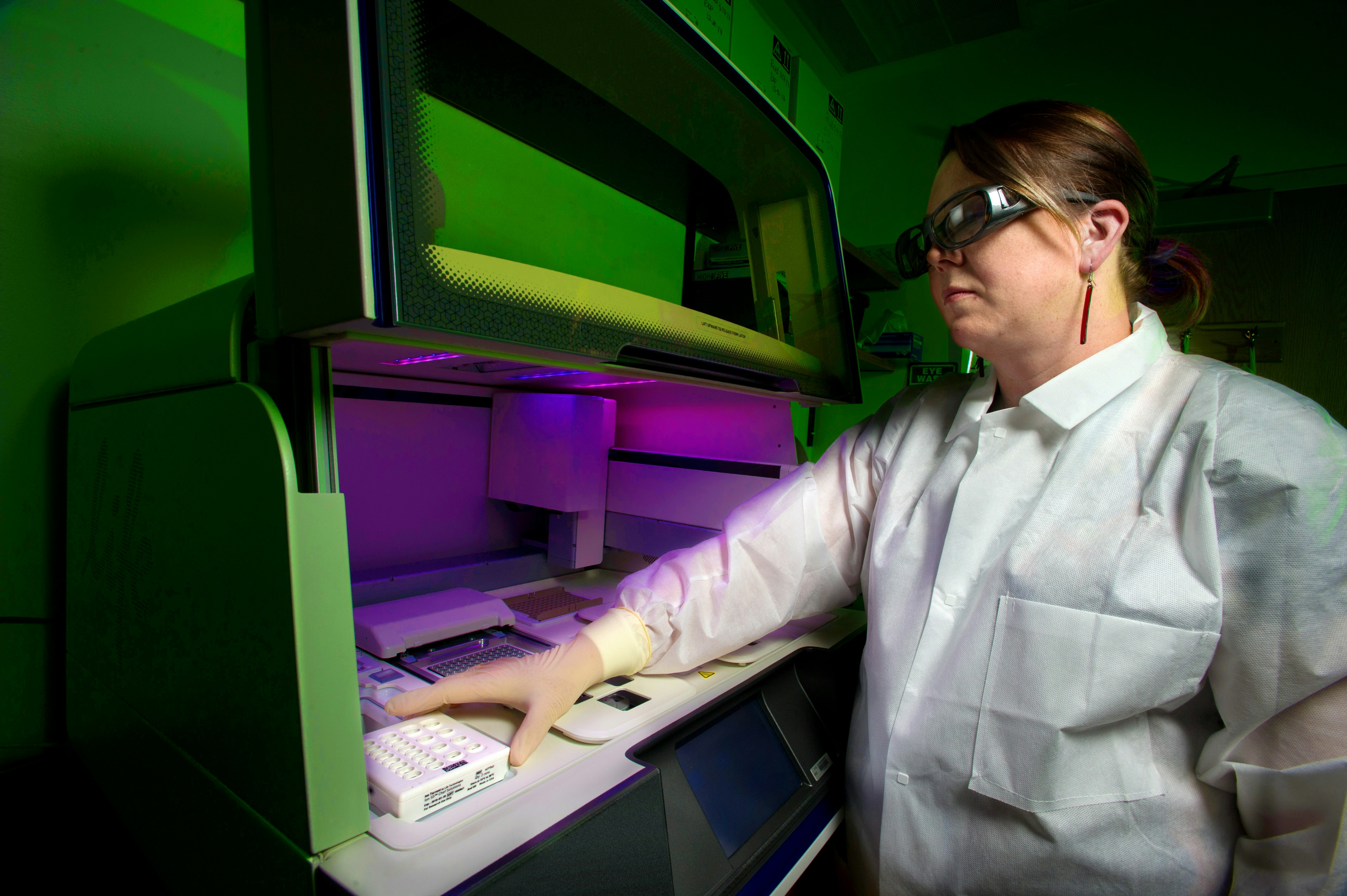
The CDC COMPASS Center seeks to tackle the grand challenge of uncovering the genetic, molecular, cellular and chemical rules of life underlying virus-host interactions. The center will achieve this goal through the development of Artificial Intelligence (AI), Machine Learning (ML) and biomedical technologies, integrating them with community-based and ethically grounded research.

Optimizing Antiviral Deployment Strategies
Pandemic influenza outbreaks can force public health leaders to make critical decisions about limited antiviral supplies before vaccines are available. This project examines how antivirals can be most effectively stockpiled, prioritized and deployed to reduce illness, mortality and strain on healthcare systems.
Past Initiatives
Our prior initiatives advanced the science and practice of pandemic preparedness.
Predictive Intelligence for Pandemic Prevention (PIPP)

This pilot grant established the UT Center for Pandemic Decision Science and advanced new approaches for anticipating emerging disease threats. Using diverse data sources, systems modeling and machine learning, researchers developed tools to detect early warning signals, characterize new pathogens and evaluate whether the emergence of SARS-CoV-2 variants could have been predicted in advance.
This pilot grant established the UT Center for Pandemic Decision Science and advanced new approaches for anticipating emerging disease threats. Using diverse data sources, systems modeling and machine learning, researchers developed tools to detect early warning signals, characterize new pathogens and evaluate whether the emergence of SARS-CoV-2 variants could have been predicted in advance.
UT COVID-19 Modeling Consortium
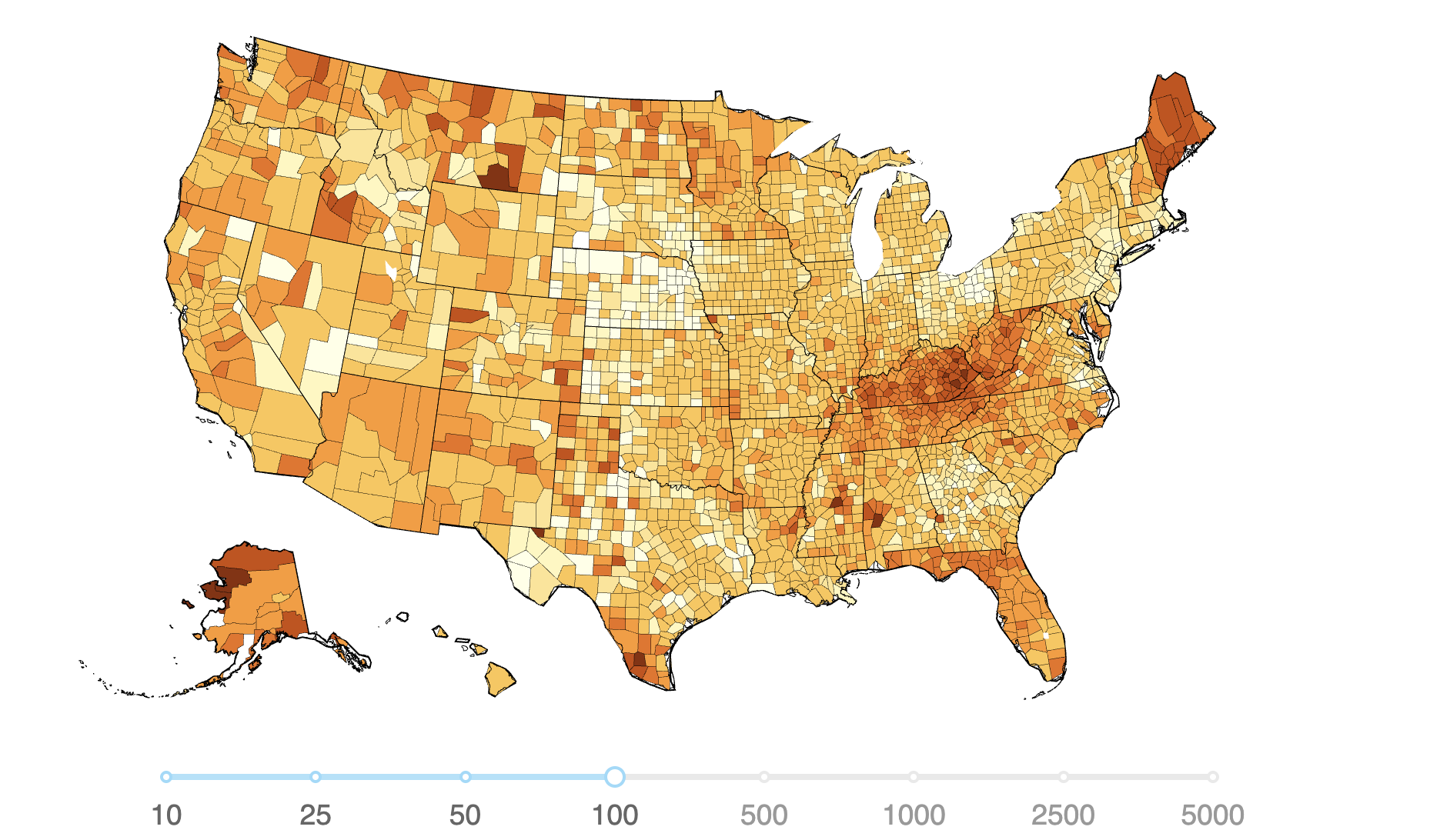
The UT Austin COVID-19 Modeling Consortium united researchers, engineers and health professionals to develop data-driven models, forecasts and decision-support tools for monitoring and responding to COVID-19. Led by Lauren Ancel Meyers, the consortium provided real-time projections, risk assessments and policy guidance that helped local, state and national leaders navigate the pandemic, protect healthcare systems and inform public health decision-making.
The UT Austin COVID-19 Modeling Consortium united researchers, engineers and health professionals to develop data-driven models, forecasts and decision-support tools for monitoring and responding to COVID-19. Led by Lauren Ancel Meyers, the consortium provided real-time projections, risk assessments and policy guidance that helped local, state and national leaders navigate the pandemic, protect healthcare systems and inform public health decision-making.
Developing Valuable Models for Transmission and Control of COVID-19 and Future Pandemics

This funding enabled UT Austin to rapidly establish the UT COVID-19 Modeling Consortium, providing real-time forecasts, public-facing tools and practical guidance to support pandemic decisions in Texas and nationwide. It also advanced outbreak science, trained future researchers and built lasting partnerships with public health agencies. Ultimately, the investment helped transform an emergency response effort into epiENGAGE, a national center for outbreak forecasting and decision support, while catalyzing more than $36 million in additional funding.
This funding enabled UT Austin to rapidly establish the UT COVID-19 Modeling Consortium, providing real-time forecasts, public-facing tools and practical guidance to support pandemic decisions in Texas and nationwide. It also advanced outbreak science, trained future researchers and built lasting partnerships with public health agencies. Ultimately, the investment helped transform an emergency response effort into epiENGAGE, a national center for outbreak forecasting and decision support, while catalyzing more than $36 million in additional funding.